
Homeopathy was shaped by a small number of physicians, scholars and teachers whose books still sit on practitioners' desks today. These profiles trace its path from Saxony to America, India and modern Greece.
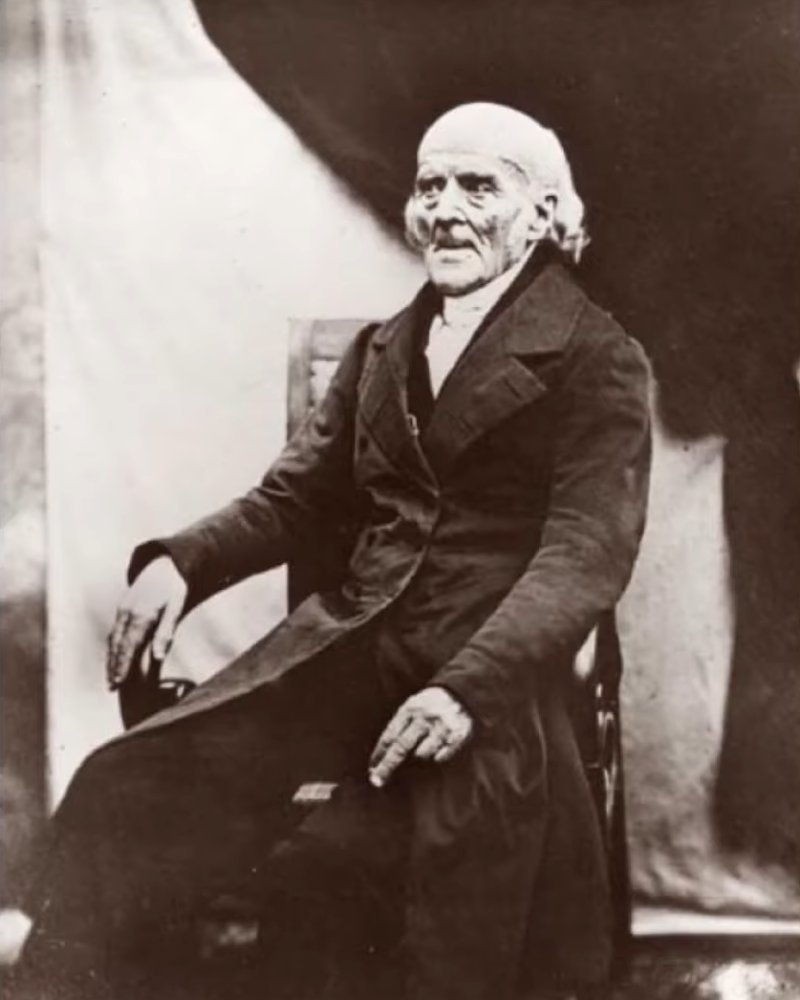
Samuel Hahnemann (1755 to 1843)
Christian Friedrich Samuel Hahnemann was born in Meissen, Saxony, on 10 April 1755, a date now marked as World Homeopathy Day. He studied medicine in Leipzig and Vienna and took his degree at Erlangen in 1779.
His 1790 experiment with Cinchona bark, made while translating William Cullen, led him to the principle of similars, which he set out in an essay of 1796. The Organon followed in 1810, the six volumes of Materia Medica Pura between 1811 and 1821, and The Chronic Diseases in 1828. In 1835 he moved to Paris with his second wife, Mélanie, and practised there until his death on 2 July 1843. He now lies in Père Lachaise Cemetery, under the words he chose for himself: Non inutilis vixi, "I have not lived in vain".
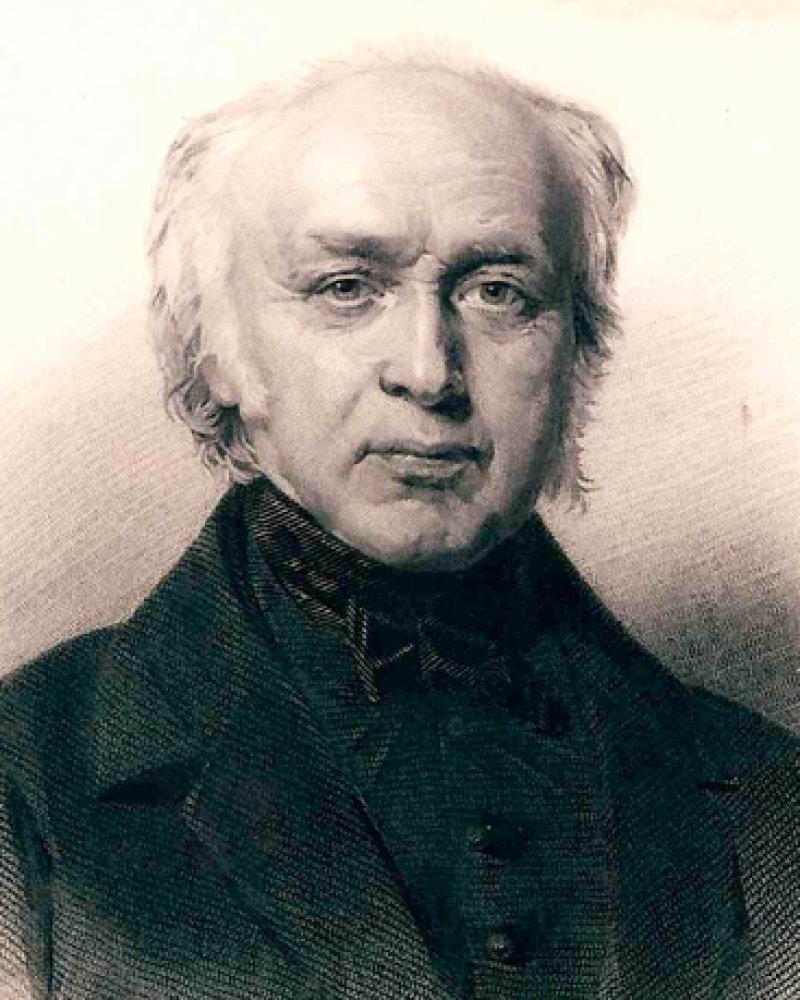
Clemens von Bönninghausen (1785 to 1864)
Bönninghausen was born on 12 March 1785 at the Herinckhave estate in Overijssel, in what is now the Netherlands. Trained in law, he served as a Dutch and later Prussian civil servant and became a respected agriculturalist and botanist.
In 1827 he fell gravely ill with a lung disease and believed he was dying. His friend Carl Ernst August Weihe, a physician and botanist, suggested the homeopathic remedy Pulsatilla, and Bönninghausen recovered. He gave the rest of his life to homeopathy and became one of Hahnemann's closest confidants. In 1843 King Frederick William IV of Prussia granted him a licence to practise medicine by royal decree.
His lasting gift was method. His Therapeutic Pocket Book of 1846 was the first repertory to grade remedies by the strength of their link to each symptom, and its way of combining location, sensation, modalities and accompanying symptoms still informs case analysis. He died in Münster on 26 January 1864.
Constantine Hering (1800 to 1880)
Hering was born on 1 January 1800 in Oschatz, Saxony. As a young man in Leipzig he was engaged to write a book disproving homeopathy. Reading Hahnemann closely changed his mind, and so did his own infected finger: he had been told it might need amputating, and it healed after homeopathic treatment with arsenic.
After several years practising medicine in Surinam, he arrived in the United States in January 1833 and settled in Philadelphia. In 1835 he helped found the North American Academy of the Homoeopathic Healing Art at Allentown, Pennsylvania, generally described as the world's first homeopathic school. In 1848 he co-founded the Homoeopathic Medical College of Pennsylvania, the institution that grew into the Hahnemann Medical College of Philadelphia.
Hering introduced Lachesis, prepared from snake venom, into homeopathic practice, and he was the founder and first president of the American Institute of Homeopathy. His observations on the direction in which symptoms clear during healing, from the centre towards the surface and in the reverse order of their appearance, became known among homeopaths as Hering's law. He died in Philadelphia on 23 July 1880.
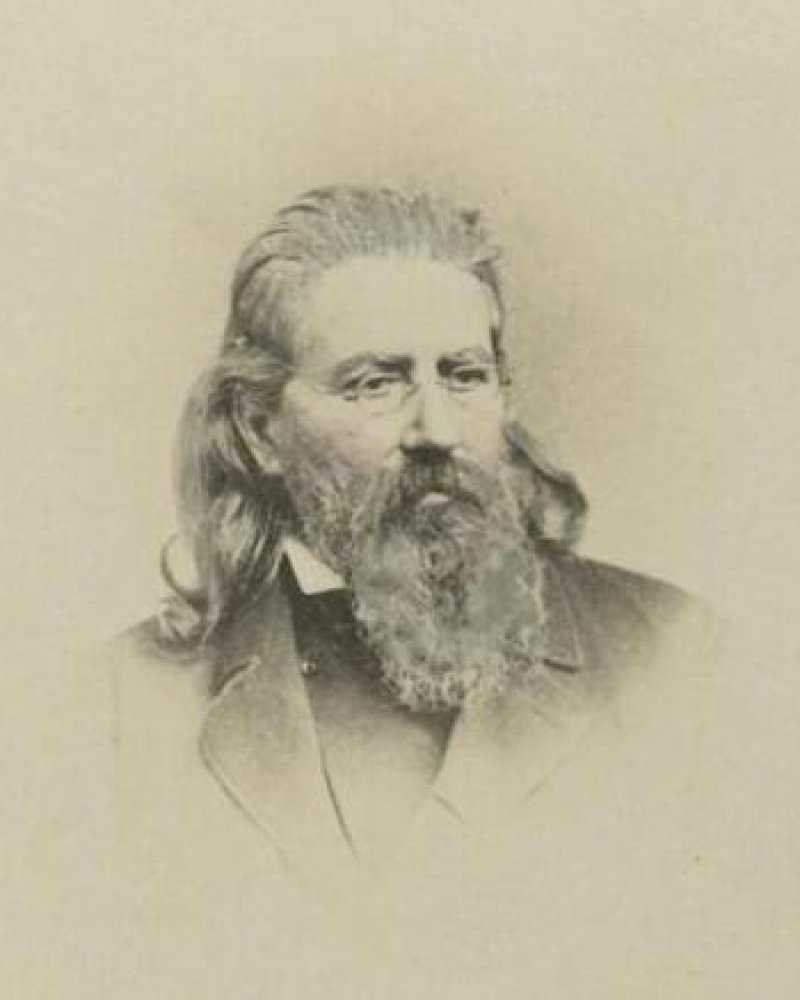
James Tyler Kent (1849 to 1916)
Kent was born on 31 March 1849 in Woodhull, New York. He qualified in 1873 at an eclectic medical college in Cincinnati.
His turning point came in 1878, when his wife Lucy fell seriously ill and neither eclectic nor orthodox treatment helped. The homeopath Richard Phelan treated her and she recovered. Kent began studying with Phelan and went on to become the most influential American teacher of homeopathy.
From 1890 to 1899 he led the Post-Graduate Homoeopathic Medical School in Philadelphia, and he later taught in Chicago, becoming professor and dean at Hering Medical College. His Repertory of the Homoeopathic Materia Medica, published in 1897, became the basis for many later repertories. His Lectures on Homoeopathic Philosophy (1900) and Lectures on Homoeopathic Materia Medica (1905) shaped generations of classical homeopaths. Kent drew on the religious ideas of Emanuel Swedenborg and was a pioneer of very high potencies. He died in Stevensville, Montana, on 5 June 1916.
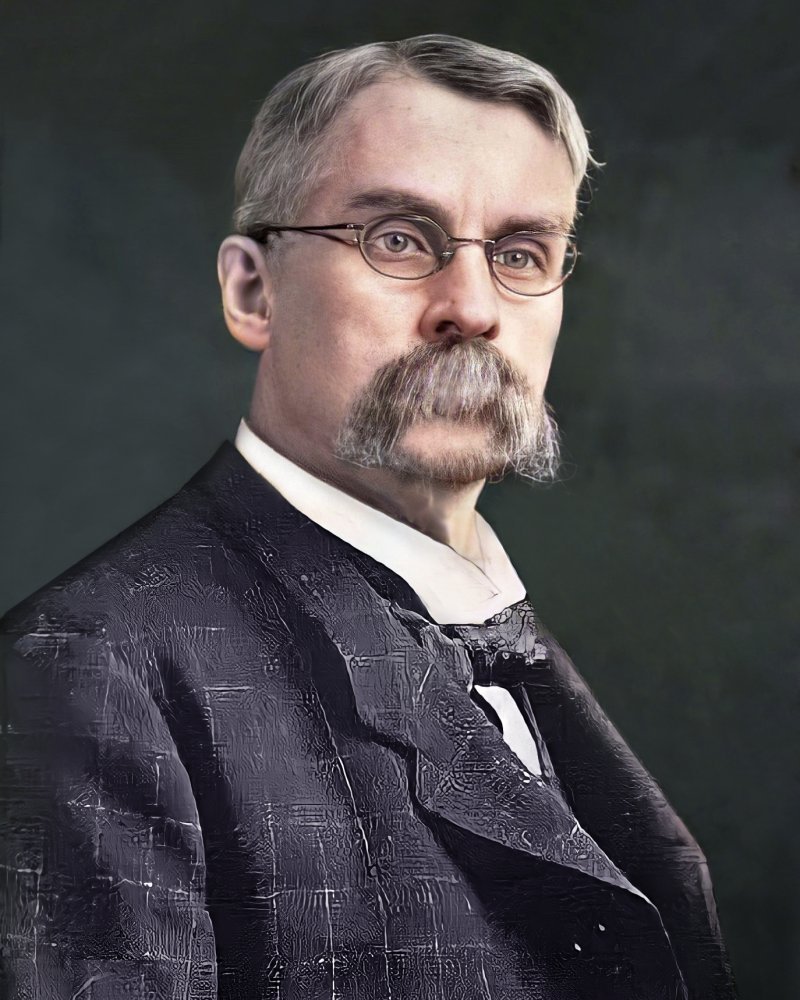
William Boericke (1849 to 1929)
William Boericke was born on 25 October 1849 in Asch, Bohemia, then part of the Austrian Empire. He took his medical degree at Hahnemann Medical College in Philadelphia in 1880.
His family were closely tied to homeopathic publishing and pharmacy through the Philadelphia firm Boericke & Tafel. William made his life in San Francisco, where he ran the firm's western pharmacy, helped establish a homeopathic medical college. When that college was absorbed into the University of California's medical school in 1918, he became its first lecturer in homeopathy.
His Pocket Manual of Homoeopathic Materia Medica, first published in 1901, became one of the most used reference works in the field; the ninth edition of 1927, with a repertory by his brother Oscar, is still reprinted. In 1922 his English translation of the sixth edition of the Organon brought Hahnemann's final revision to English-speaking readers. He died in San Francisco on 1 April 1929.
Mahendralal Sarkar (1833 to 1904)
Mahendralal Sarkar was born on 2 November 1833 in Paikpara, in the Howrah district of Bengal. In 1863 he became one of the earliest Doctors of Medicine of the University of Calcutta. At first he spoke against homeopathy.
That changed when he set out to write a critical review of William Morgan's The Philosophy of Homoeopathy. He first spent months observing the practice of Rajendralal Dutt, a leading Calcutta homeopath. He came away convinced. Around 1867, at a meeting of the Bengal branch of the British Medical Association, he argued that homeopathy deserved serious attention. The response was hostile: many colleagues shunned him and his practice suffered for a time. He rebuilt it and became one of the best-known homeopaths in India, and in January 1868 he launched the Calcutta Journal of Medicine.
Sarkar's interests reached well beyond medicine. On 13 January 1876 he founded the Indian Association for the Cultivation of Science in Calcutta, the country's first national science association, and served as its first secretary. Among his patients was Sri Ramakrishna. He died in Calcutta on 23 February 1904.
George Vithoulkas (born 1932)
George Vithoulkas was born in Athens on 25 July 1932. He began studying homeopathy in South Africa in 1960 and received a diploma from the Indian Institute of Homoeopathy in 1966. Back in Greece from 1967, he began practising and teaching, and in 1970 he founded the Athens school that became the Center of Homeopathic Medicine.
His book The Science of Homeopathy, published in English in 1980, set out classical principles for a modern readership. He went on to write the multi-volume Materia Medica Viva, drawing on cases treated at the Athens centre. In the mid-1990s he opened the International Academy of Classical Homeopathy on the Greek island of Alonissos, offering postgraduate training to practitioners worldwide.
In 1996 he received the Right Livelihood Award, often called the Alternative Nobel Prize, for his outstanding contribution to the revival of homeopathic knowledge and the training of homeopaths to the highest standards. Dr. Dhiman Roy studied at the Academy under Prof. Vithoulkas and holds its diploma.
Conclusion
Each of these figures added something that lasted. Hahnemann laid the foundations and kept revising them for the rest of his life. Bönninghausen and Kent gave practitioners the repertories that made remedy selection workable in daily practice. Hering and Boericke built schools and reference books that carried homeopathy across the Atlantic, Mahendralal Sarkar gave it a respected voice in Bengal, and George Vithoulkas brought classical teaching to a modern, international audience. Their books are still on the desks of students today, and knowing who they were helps explain why classical homeopathy is practised the way it is, in Khulna as much as in Athens or Philadelphia.